AI Accelerating Clinical Trials: The Future of Retinal Disease Research
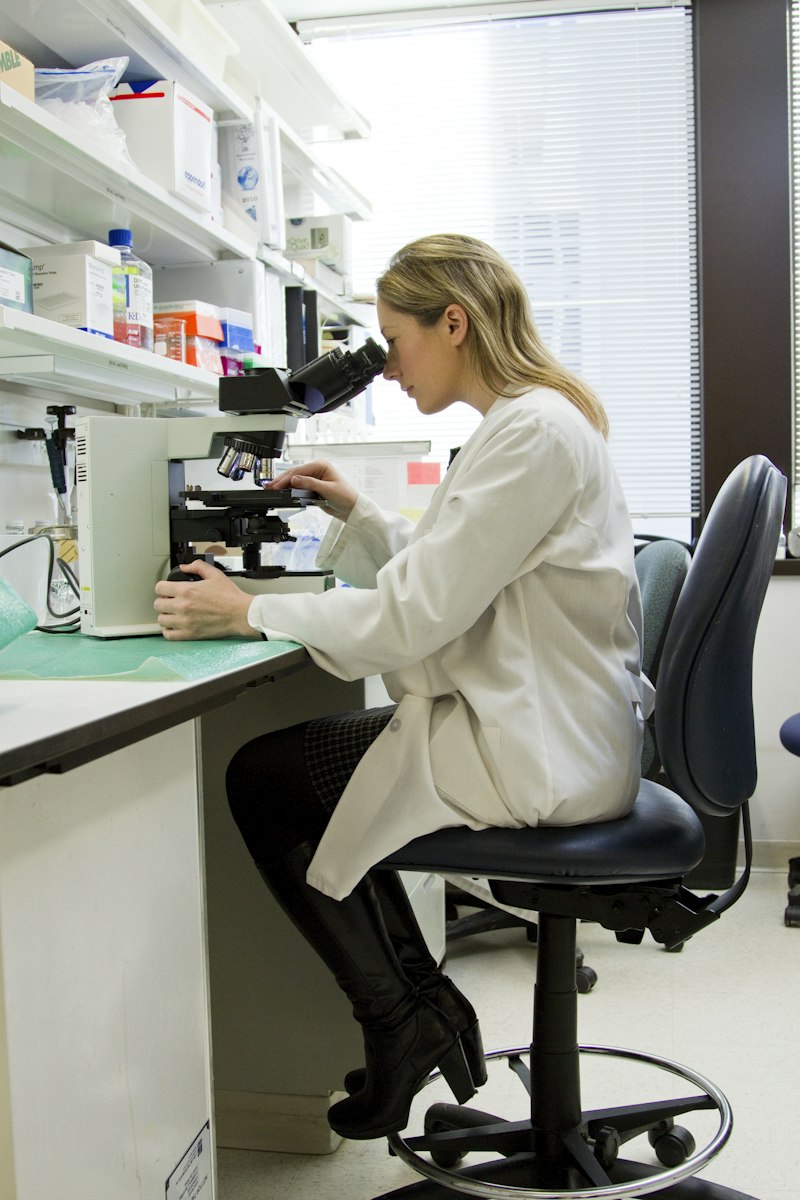
Clinical trials are essential for developing new eye treatments, but they're slow and expensive. VisionScan's AI platform is transforming the research landscape, cutting trial timelines and improving patient outcomes.
Automated Endpoint Assessment
Traditional trials require expert graders to manually analyze retinal images—a time-consuming, subjective process. VisionScan's AI provides instant, objective assessment of disease progression and treatment response, reducing the time and cost of trials by up to 40%.
Patient Recruitment and Stratification
The platform's massive database of anonymized retinal scans helps identify suitable trial candidates. AI algorithms match patients to trials based on disease characteristics, predicted progression rates, and geographic location.
Real-World Evidence Generation
Beyond formal clinical trials, VisionScan collects real-world effectiveness data on approved treatments. This information helps clinicians understand which therapies work best for different patient populations in everyday practice.
Current Research at VisionScan
Our San Francisco research center is conducting trials on novel drug delivery systems, artificial retina implants, and stem cell therapies. The AI platform enables these studies to enroll more patients, collect more data, and reach conclusions faster than ever before.
Partnership with Academic Centers
VisionScan collaborates with Stanford, UCSF, and USC on groundbreaking research. These partnerships combine academic expertise with cutting-edge technology to accelerate discovery.
Open Science Commitment
Anonymized data from VisionScan is available to qualified researchers worldwide through our data-sharing initiative. This open science approach has spawned collaborations across six continents.
What This Means for Patients
Faster trials mean faster access to breakthrough therapies. Patients who participate in VisionScan-supported research receive the most advanced monitoring available and contribute to medical knowledge that will help millions.
Share this article
Help others discover valuable eye health insights