Preventing Vision Loss in Diabetic Patients: New Guidelines
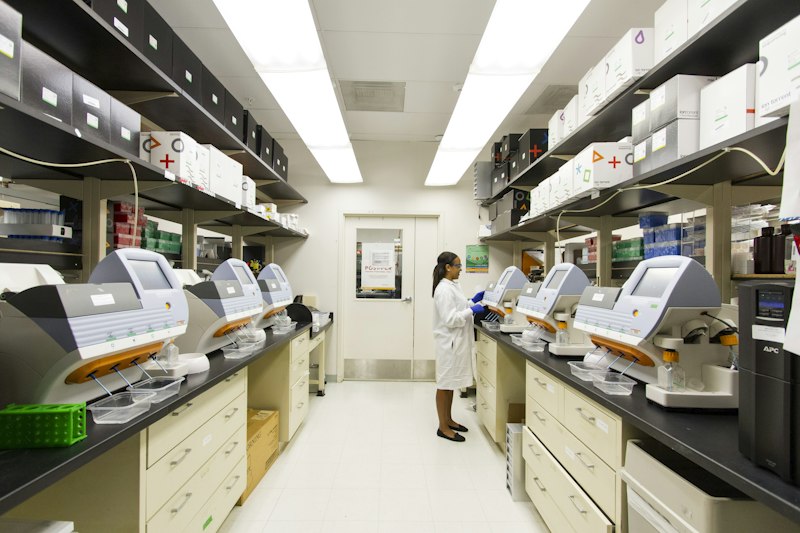
The American Academy of Ophthalmology has released updated guidelines for diabetic retinopathy screening, incorporating AI-assisted detection technologies like VisionScan into standard care protocols.
Who Needs Screening?
All individuals with Type 1 or Type 2 diabetes should undergo comprehensive retinal examinations annually. However, with AI-assisted screening, high-risk patients can now be identified for more frequent monitoring.
The Role of AI in Risk Stratification
VisionScan's predictive algorithms analyze patient data including blood sugar control, blood pressure, diabetes duration, and previous retinal scans to calculate personalized risk scores. This enables tailored screening schedules rather than one-size-fits-all approaches.
Early Intervention Success Stories
Maria Santos, a 54-year-old patient from Los Angeles, discovered early-stage retinopathy through VisionScan screening. "I had no symptoms, but the AI detected tiny changes. Treatment was simple because we caught it early. I'm grateful every day for this technology."
Implementation Across California
Over 200 clinics across California now offer VisionScan technology, making advanced screening accessible to diverse communities. Insurance coverage has expanded significantly in 2025, with most major carriers covering AI-assisted retinal screening.
Prevention Tips
Beyond regular screening, maintaining optimal blood sugar levels, managing blood pressure, and avoiding smoking remain crucial for preventing diabetic eye disease. VisionScan's patient portal now includes personalized lifestyle recommendations based on your retinal health.
Share this article
Help others discover valuable eye health insights